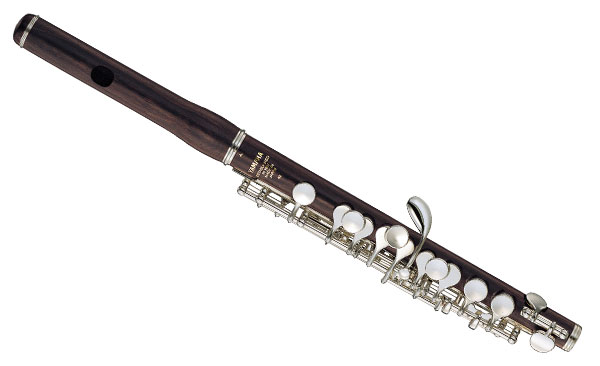
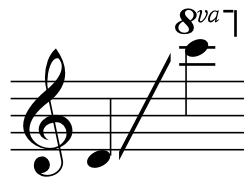
Db: minor 9th higher
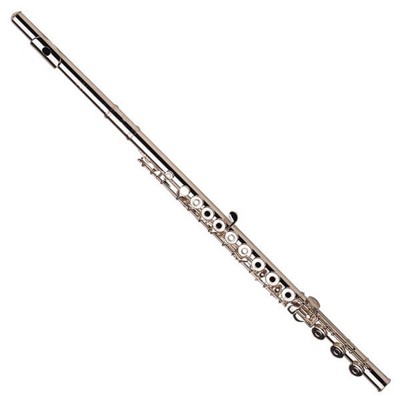
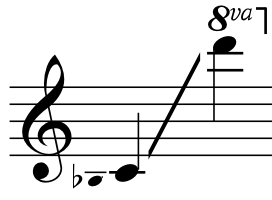
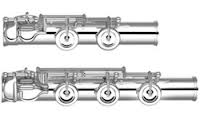
There are a few isolated instances of a low Bb in the flute literature but these are rare.
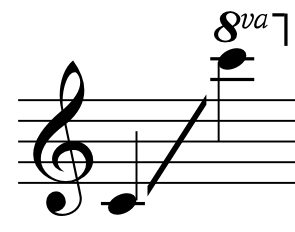
Alto Flute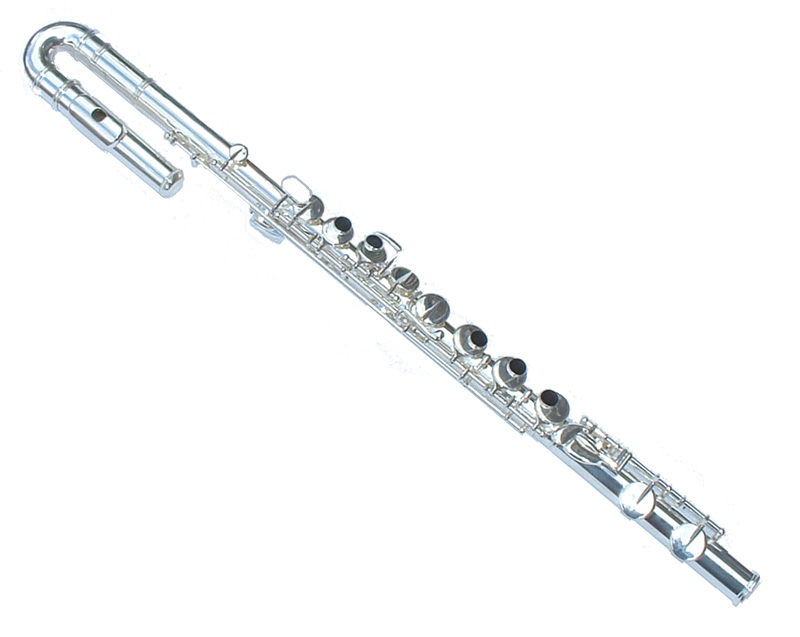 is sometimes incorrectly referred to as a
Bass Flute.
is sometimes incorrectly referred to as a
Bass Flute.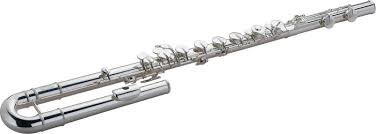 There are also a number of other designs for
low-pitched flutes
There are also a number of other designs for
low-pitched flutes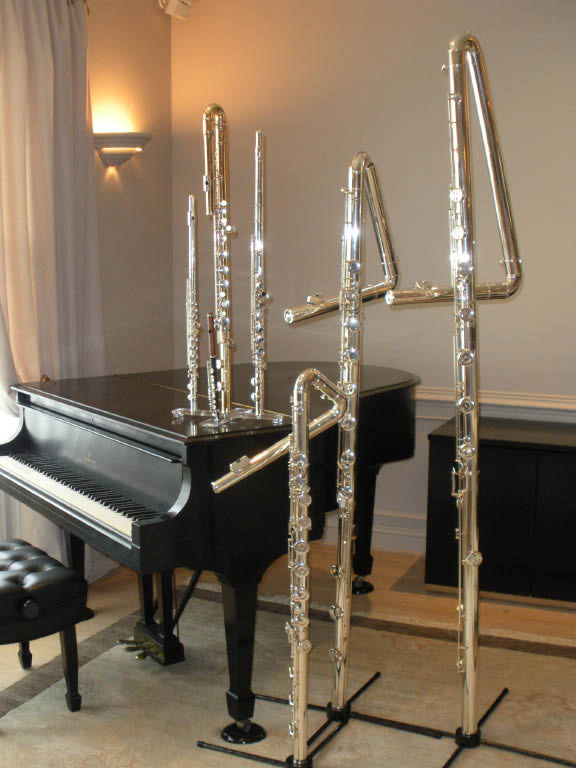 which are not generally used in an orchestra except for special situations.
is sometimes incorrectly referred to as a
Bass Flute. There are also a number of other designs for
low-pitched flutes which are not generally used in an orchestra except for special situations.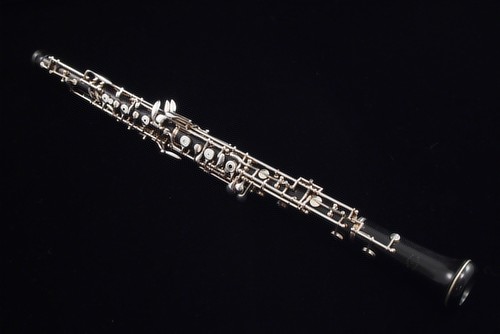
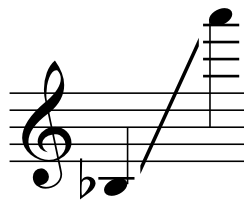
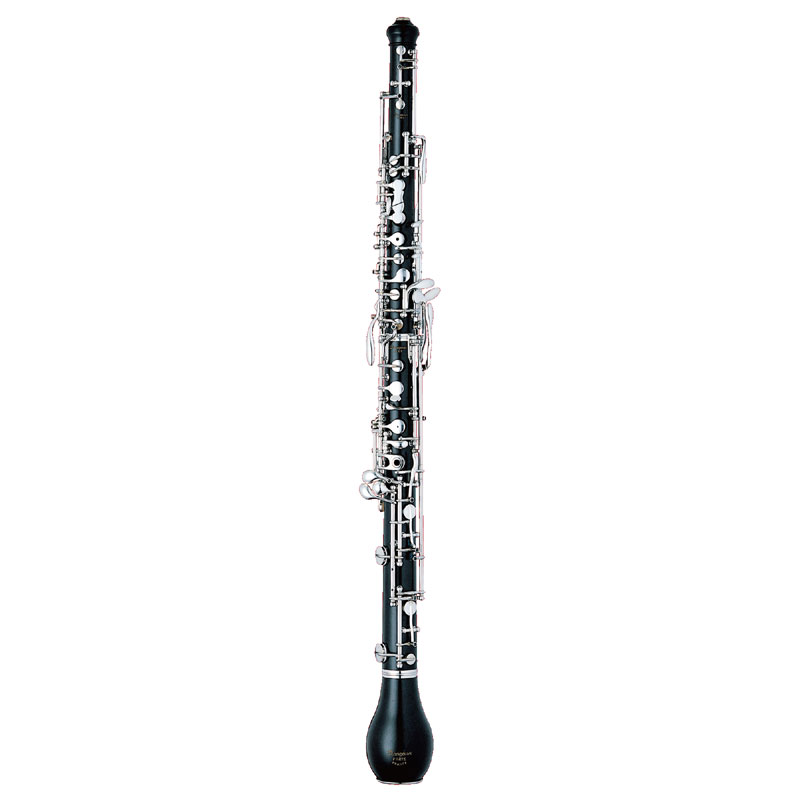
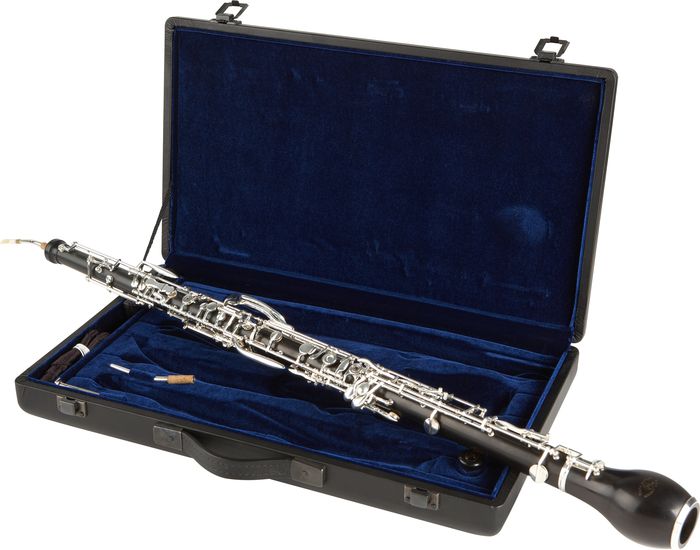
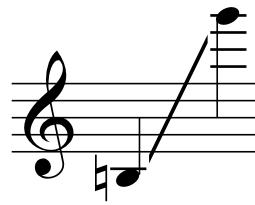
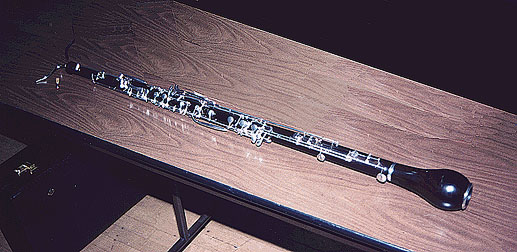
written in alto clef at concert pitch in certain Russian scores. It is similar in pitch and tone to the earlier instrument,
Oboe da caccia.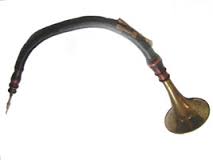
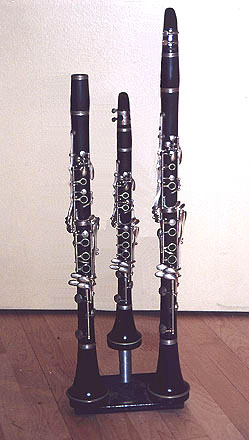
Here is a comparison of
three instruments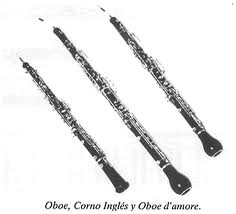 in this family.
in this family.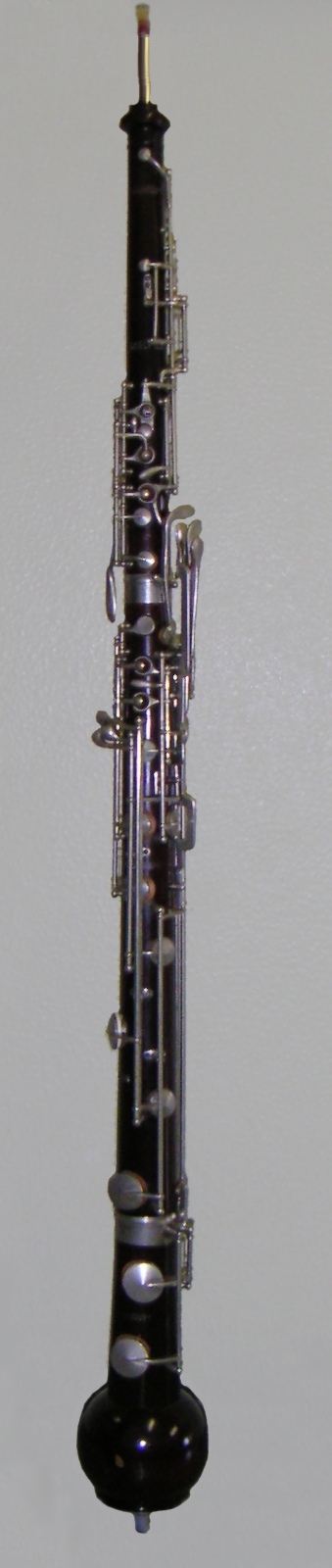
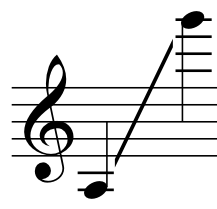
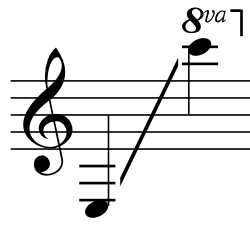
A: a minor 3rd lower
D: a whole step higher
Eb: a minor 3rd higher
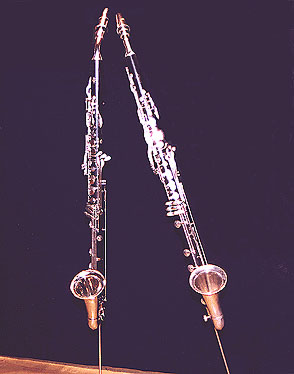
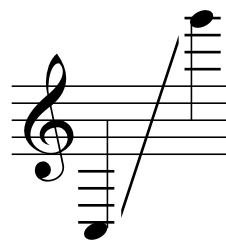
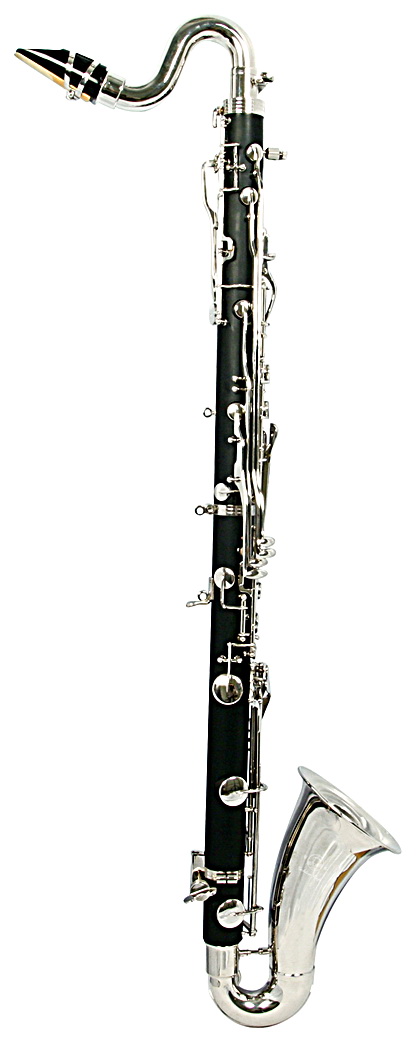
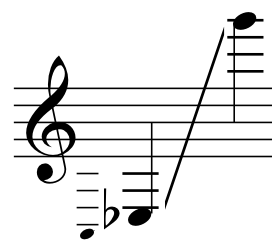 and
and
a whole step lower when written in bass clef
Treble clef in Bb transposition is preferred modern notation.
There are examples in the classical literature, especially in 19th century works, for Bass Clarinet in A or C and written in bass clef or a mixture of bass and treble clefs. This is not advisable for the modern composer as these instruments are rare to non-existent and this will only cause problems for the player involved.
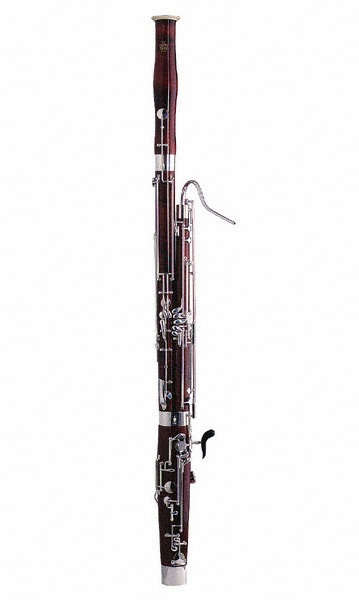
(photos contributed by Kyle Szczepaniak)
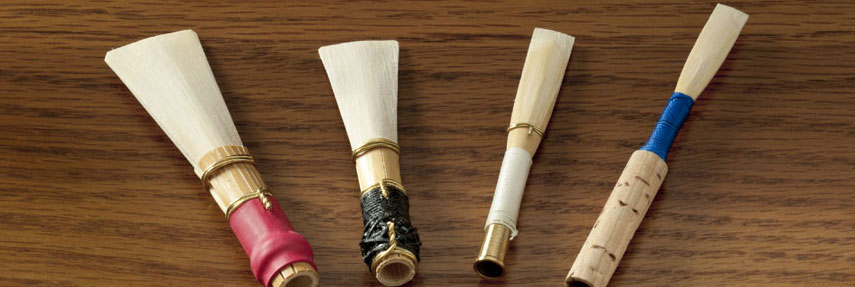
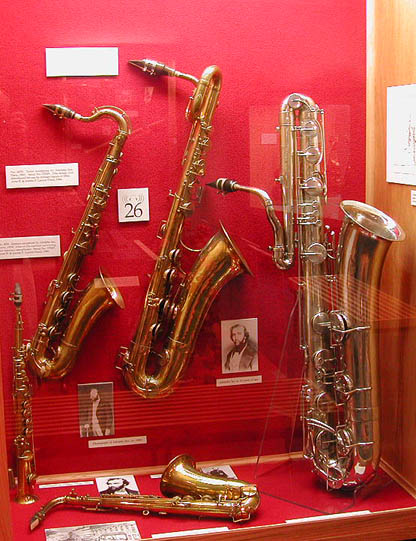
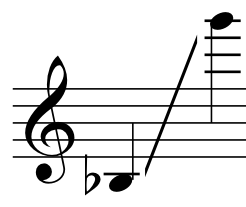
* see note regarding bari sax
Bb soprano: a whole step lower
Eb alto: a 6th lower
Bb tenor: a 9th lower
Eb baritone: 1 octave+6th lower
Bb bass: 1 octave+9th lower
Eb contrabass: 2 octaves+6th lower (i.e 1 octave below bari sax)
There also exist some
exotic saxophones.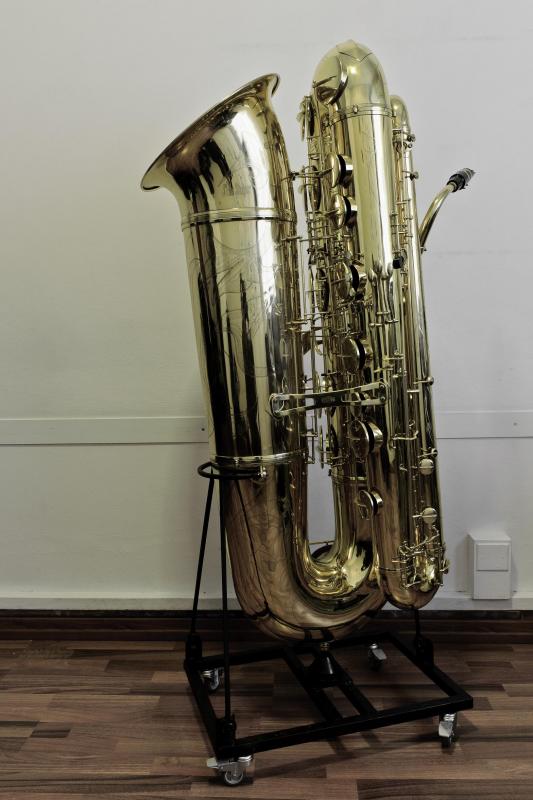
* Regarding the baritone sax: There has been a trend recently to extend the range to low A below the staff (concert C2) in newer models. This is currently the preferred instrument but older bari saxes going down to Bb are still widely used, so check with your player if you have any questions about which instrument they are using.
Quicklinks: WOODWINDS - BRASS - PERCUSSION - KEYBOARD - STRINGS
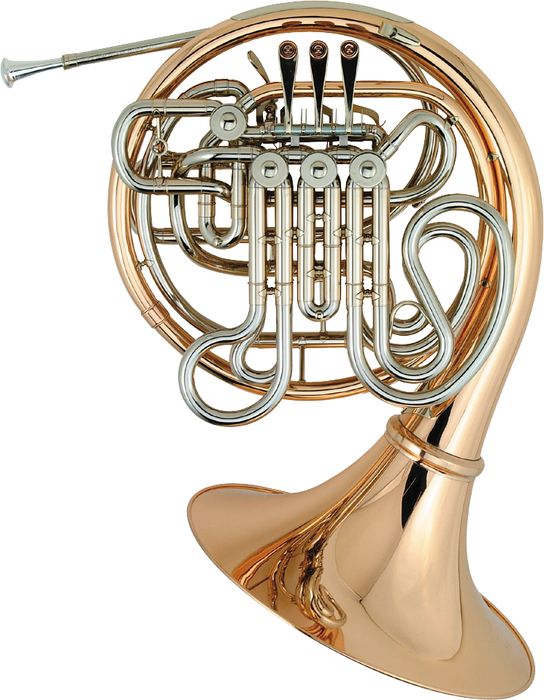
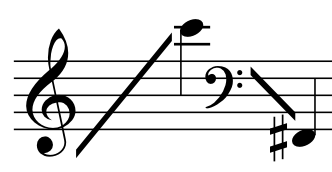
Among horn players, transpositions are spoken of in terms of the Horn in F (ex. Horn in Eb is a whole step lower)
Orchestral horns have a double tubing system constructed for fundamental tones in F and Bb.
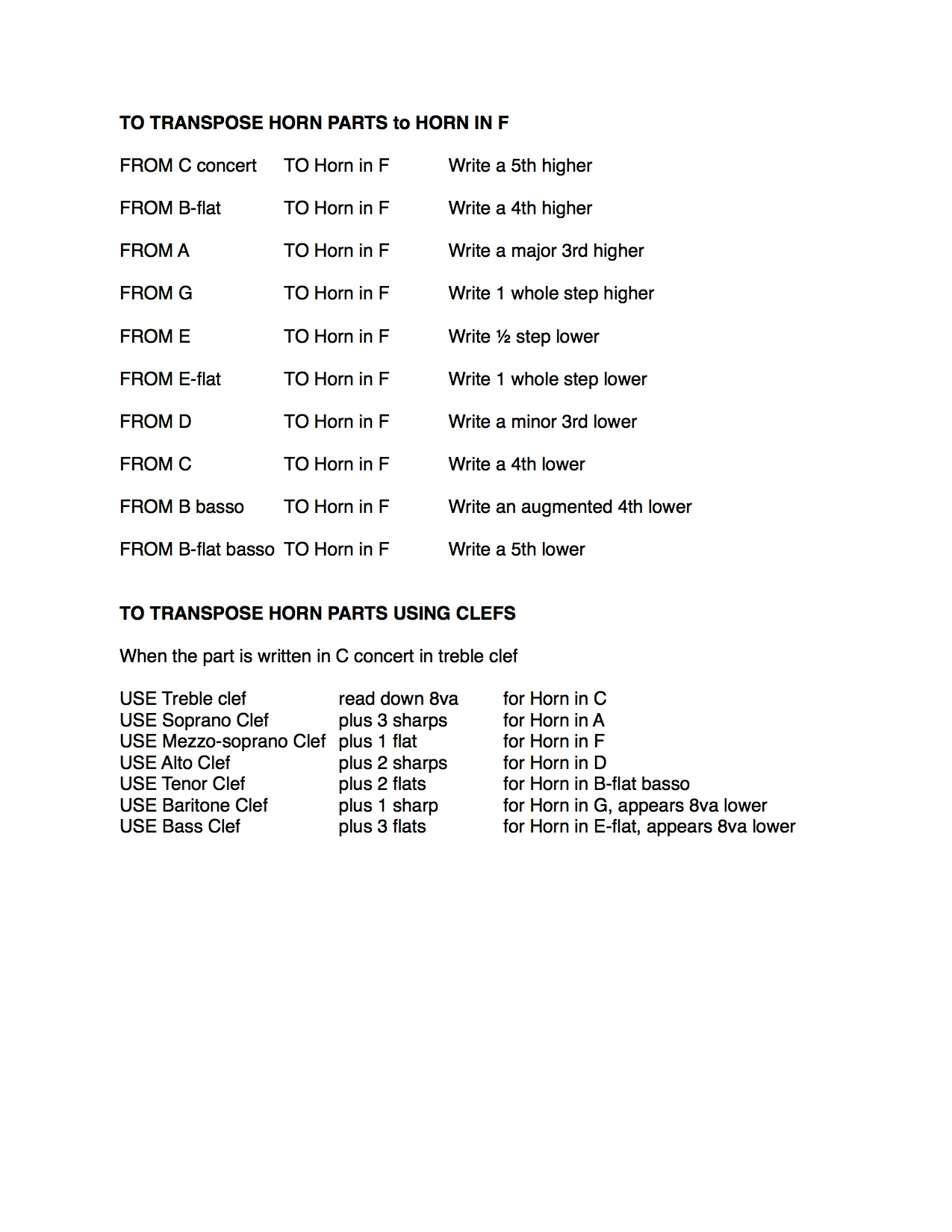
However, some use
a single tube system.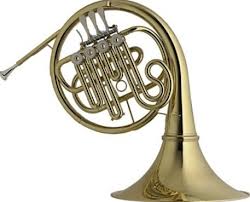
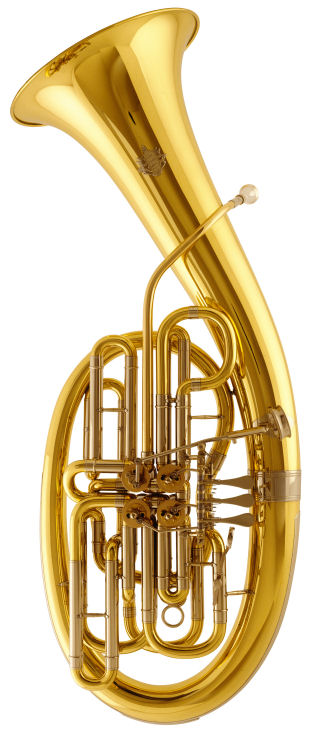
and
in F
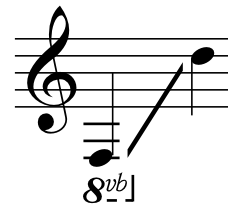
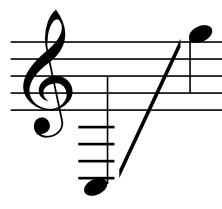
F: F2-D5
tenor in Bb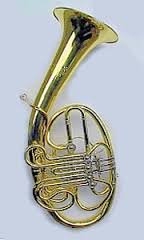 : a whole step lower
: a whole step lower
bass in F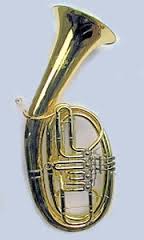 : a Perfect 5th lower
: a Perfect 5th lowerThe sounding pitch of a Bb tenor instrument playing from a part written in treble clef should be a 9th below the written note. However, the practical realizations of hornists are not entirely consistent on this point. ex. Stravinsky, Rite of Spring.
Tuben also have parts written in E-flat (sounding a 6th lower than written) in The Ring of the Niebelungen.
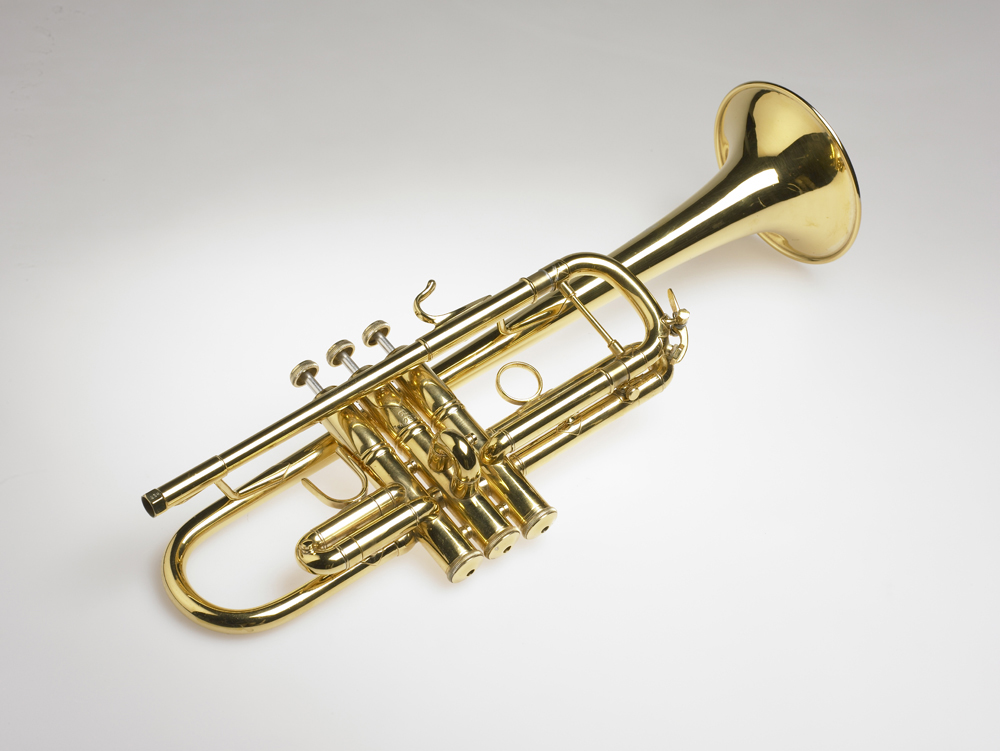
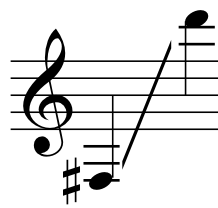
Bb: a whole step lower
A: a minor 3rd lower
G: a Perfect 5th higher
F: a Perfect 4th higher
E: a major 3rd higher
Eb: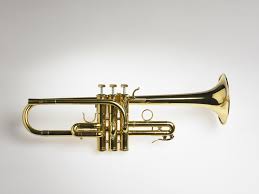 a minor 3rd higher
D: a whole step higher
a minor 3rd higher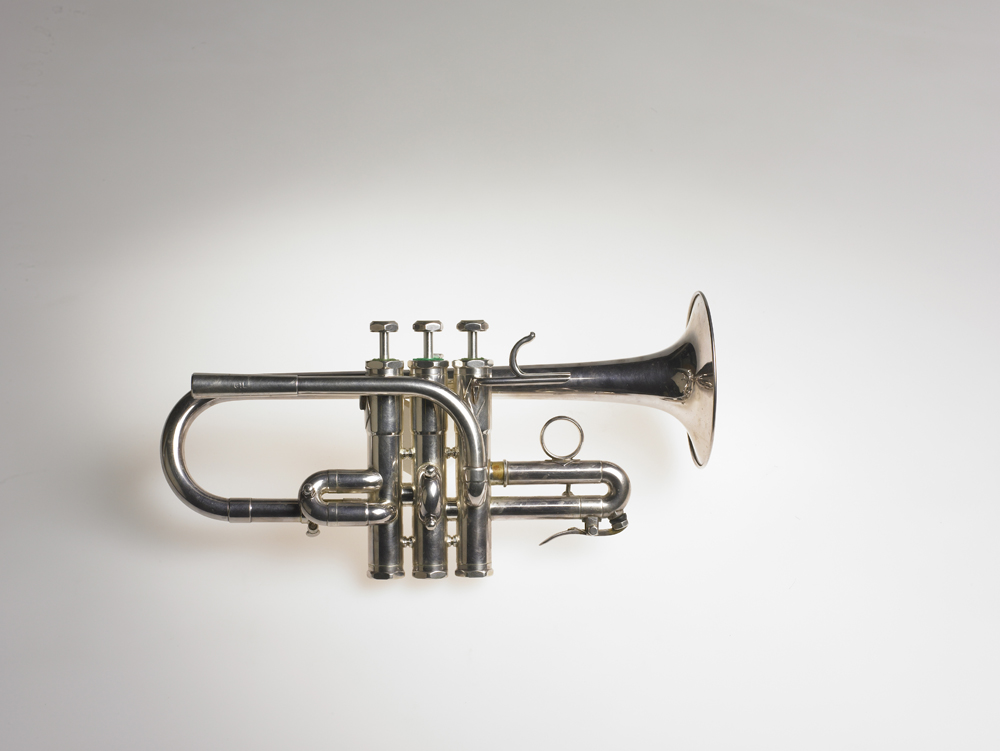
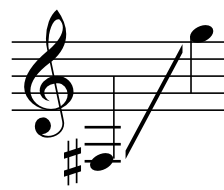
A: major 6th higher
Bb: sounding 1 step lower
A: sounding a minor 3rd lower
cylindrical and conical
*see note regarding clef for bass trumpet
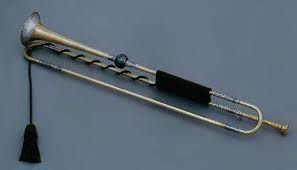
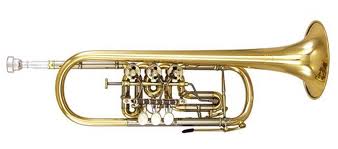
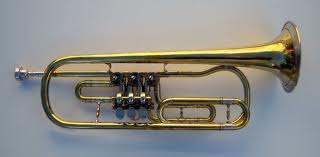
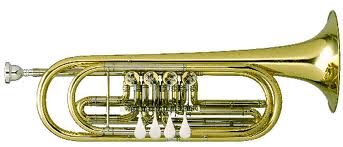
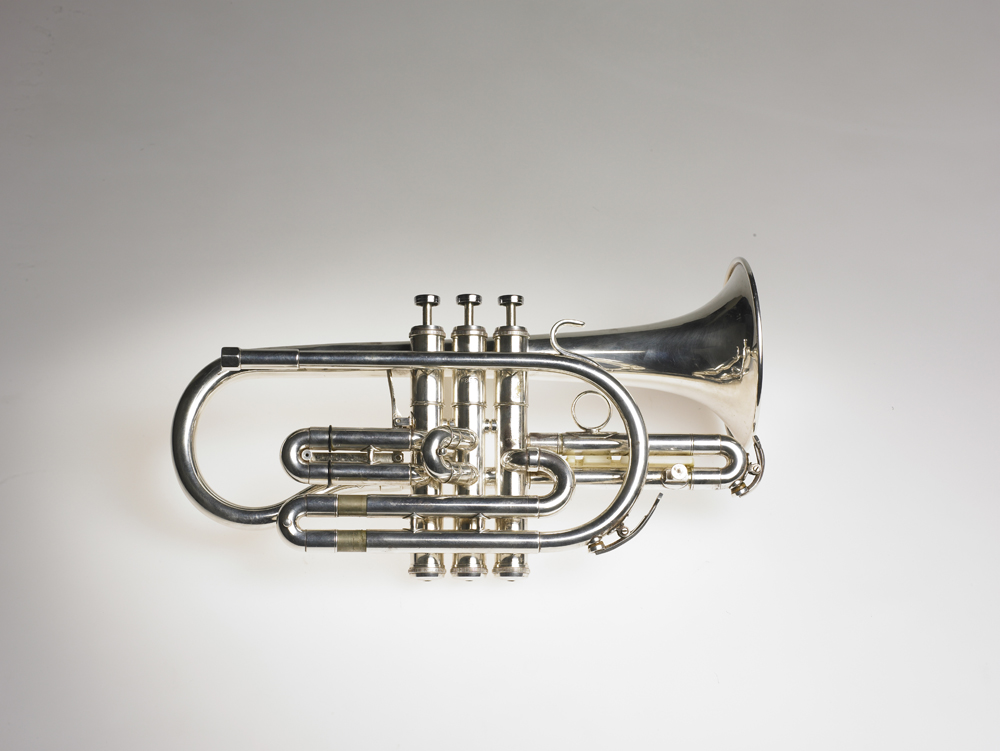
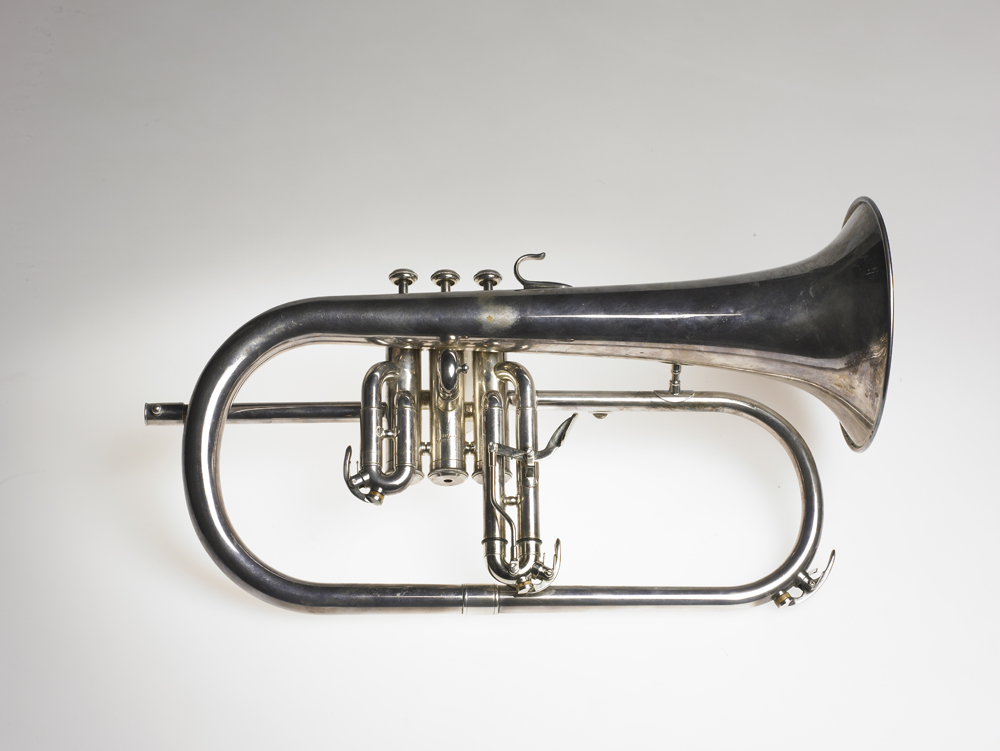
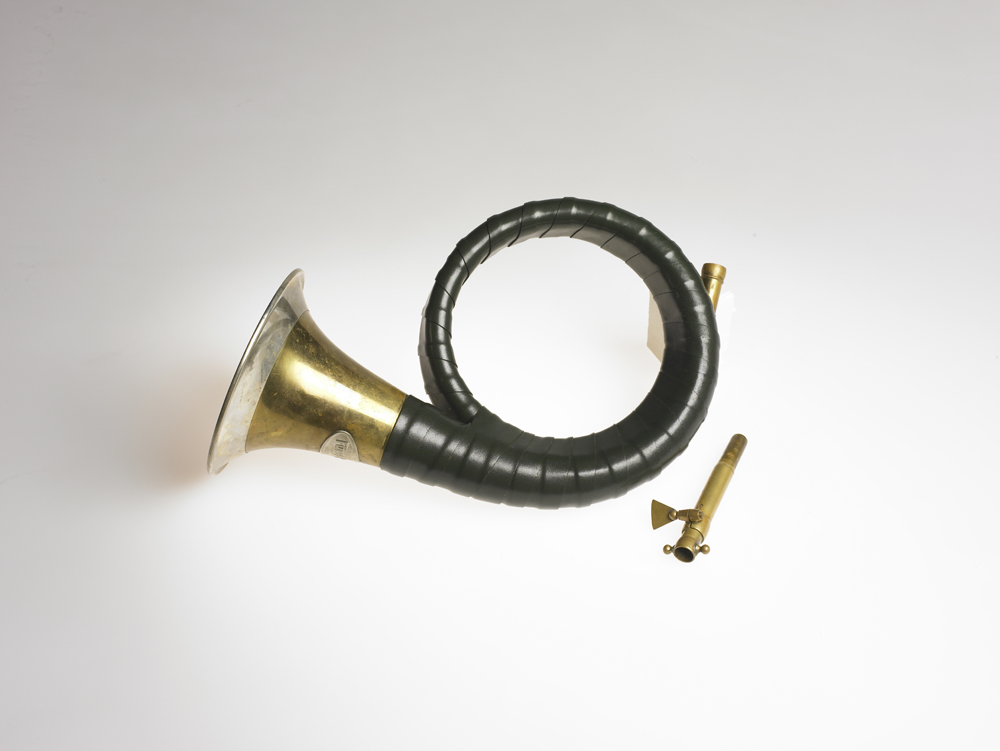
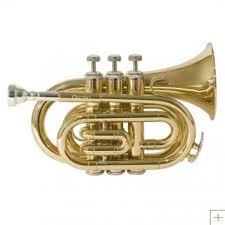
Trumpets with rotary valves are generally used for 19th century orchestral works.
Trumpet in F: very common in 19th century works for military bands. See Rimsky-Korsakov use of F and Eb alto trumpets.
Bass trumpet: plays in treble clef in Bb or in *bass clef (sometimes tenor). Frequently played by a trombone player.
Bb Cornet: transposition and playing range, basically the same as Bb Trumpet. Often used in pairs with trumpets.
Flugelhorn: same as Bb trumpet but not for upper range. More mellow sound, softer.
Posthorn: not generally for orchestral works but posthorn (with valves) is scored in Mahler Symphony No. 3.
Pocket trumpet: in Bb, generally poor sound and intonation.
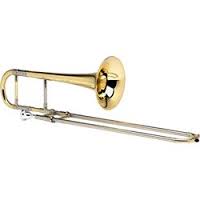
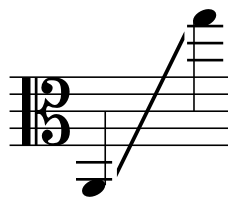
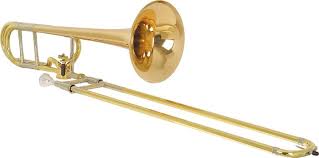
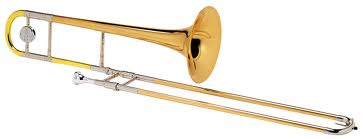
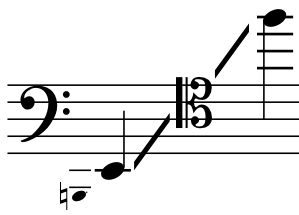
*treble (see note)
Use of the
valve called the F-trigger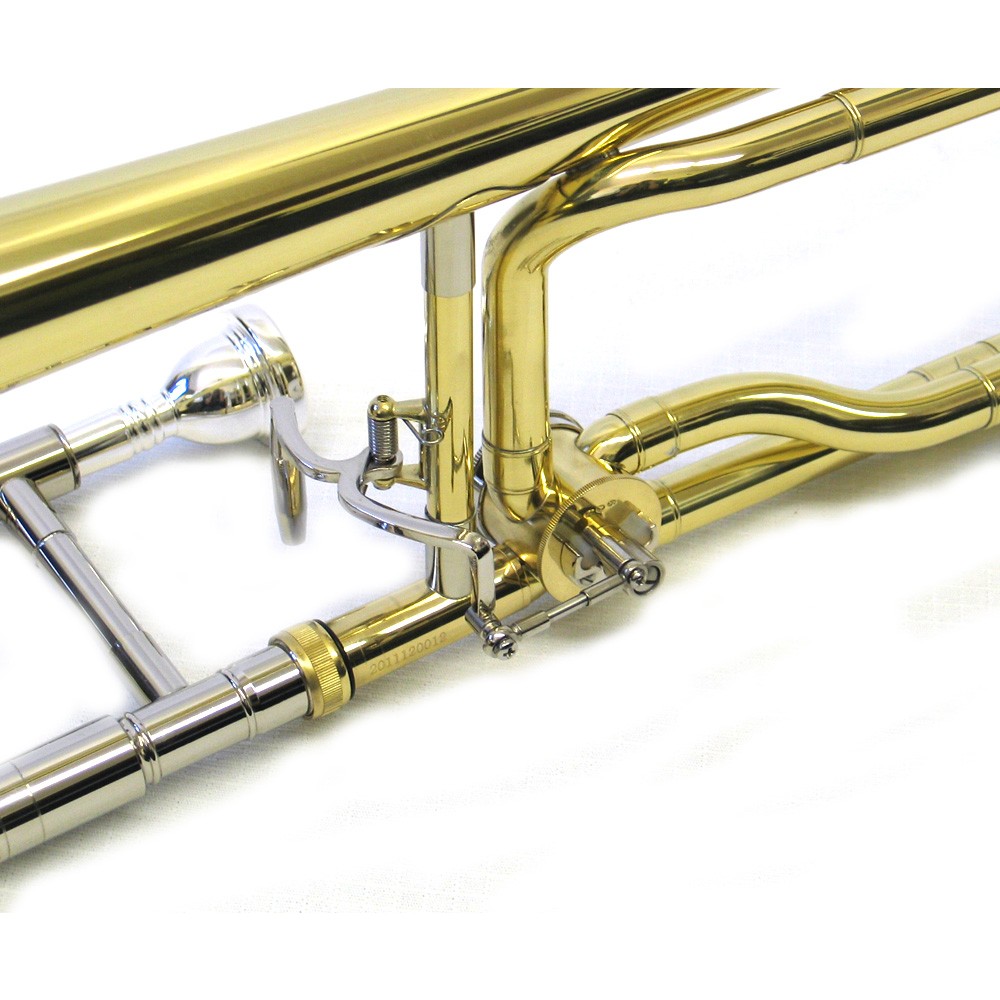 engages an additional length of tubing and facilitates pitches from F2 down to C2, or B1 with the F-slide extended.
*British Brass Band music for Trombones in Bb is written in treble clef where the sounding pitch is a 9th below the written pitch. engages an additional length of tubing and facilitates pitches from F2 down to C2, or B1 with the F-slide extended.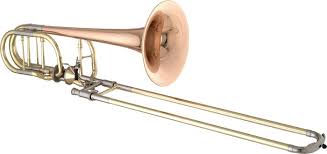
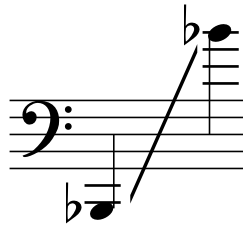

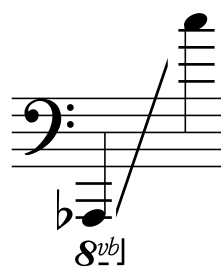
Instruments are built with fundamental tones of F, E-flat, BBb, and others in first position. The shape and design varies from straight with slide handle extension to double valve and double slide models. The choice of which instrument is most appropriate in any given situation is the players choice.
There is no standard configuration of tubing for Contrabass trombones.
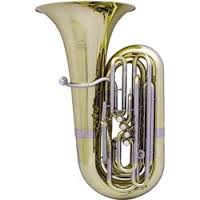
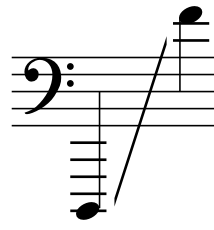
In the British brass band tradition, The Eb tubas sound 1 octave+a 6th below the written note while the Bb tubas sound 2 octaves lower than written. The Bb tubas are technically BBb (double-Bb) tubas.
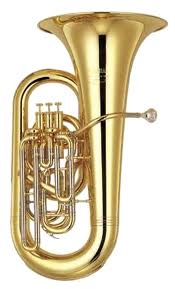
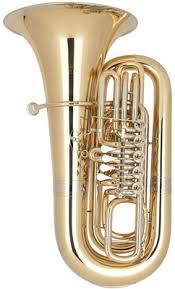
The
F Tuba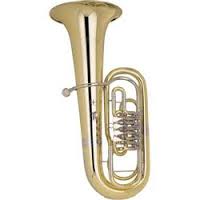 is a smaller, lighter instrument primarily used for solos.
is a smaller, lighter instrument primarily used for solos.Prior to the invention of the modern tuba in 1835, the ophecleide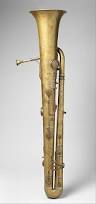 may have been used.
may have been used.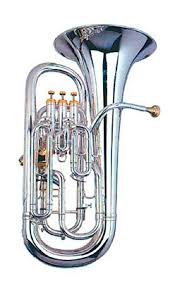
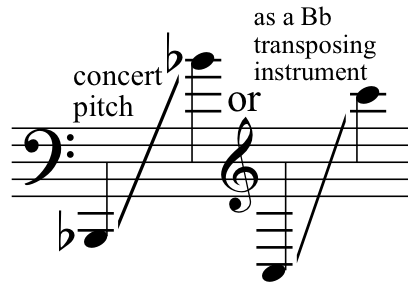
sometimes tenor
a 9th lower in treble
Both the German style Tenor tuba and English style Euphonium are common. They are identical in pitch and therefore interchangeable for all practical purposes. This instrument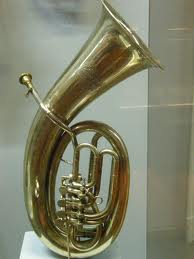 should not be confused with
the Bb or F Wagner tuba (also called tenor tuba) played by horn players, though they have a similar appearance. Note that valves on the tenor tuba/euphonium are played with the right hand.
should not be confused with
the Bb or F Wagner tuba (also called tenor tuba) played by horn players, though they have a similar appearance. Note that valves on the tenor tuba/euphonium are played with the right hand.
When writing for this instrument in bass clef, it is advisable to notate at concert pitch. Tenor clef may also be used.
In orchestral works prior to the mid-20th century, the euphonium written in bass clef frequently employs B-flat transposition. This is not advisable in modern notation.
should not be confused with
the Bb or F Wagner tuba (also called tenor tuba) played by horn players, though they have a similar appearance. Note that valves on the tenor tuba/euphonium are played with the right hand.When writing for this instrument in bass clef, it is advisable to notate at concert pitch. Tenor clef may also be used.
In orchestral works prior to the mid-20th century, the euphonium written in bass clef frequently employs B-flat transposition. This is not advisable in modern notation.
Quicklinks: WOODWINDS - BRASS - PERCUSSION - KEYBOARD - STRINGS
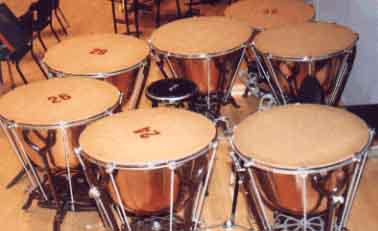
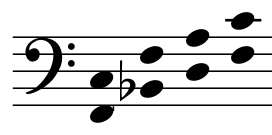
standard set of 4 drums
20": F3‑C4
23": D3‑A3
26‑25": Bb2‑F3
29‑28": F2‑C3
32‑30": D2‑A2
23": D3‑A3
26‑25": Bb2‑F3
29‑28": F2‑C3
32‑30": D2‑A2
Some timpani,
ex. this high-pitched drum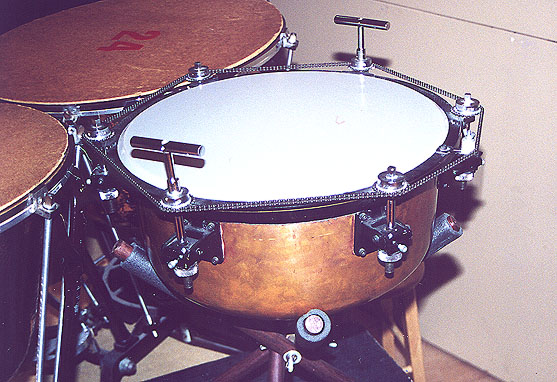 , may have a gear tuning mechanism.
, may have a gear tuning mechanism.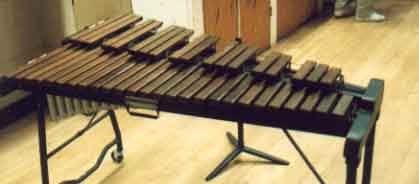
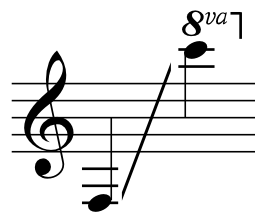
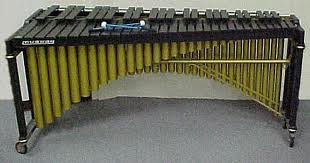
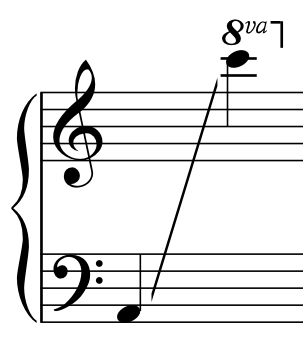
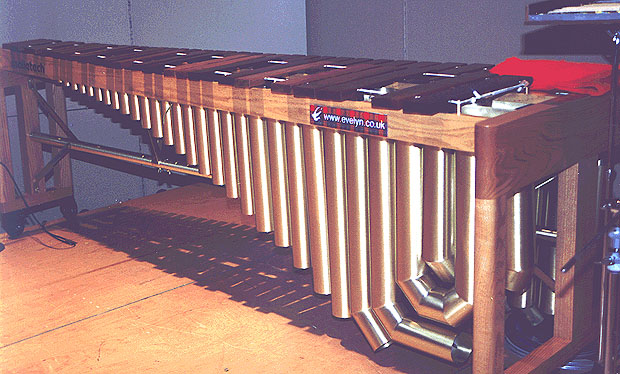
Orchestra Bells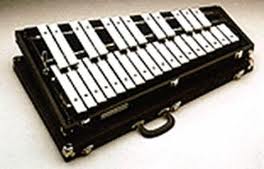 also Glockenspiel
also Glockenspiel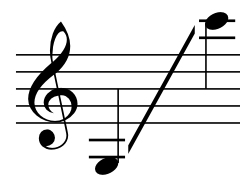
The
glockenspiel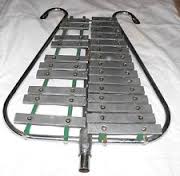 typically used by marching bands is the same instrument but has two fewer notes on the bottom and three fewer on the top; mounted in a lyre-type frame.
typically used by marching bands is the same instrument but has two fewer notes on the bottom and three fewer on the top; mounted in a lyre-type frame.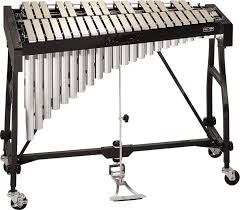
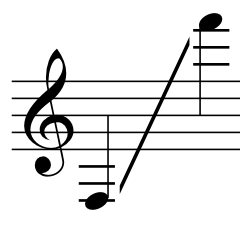
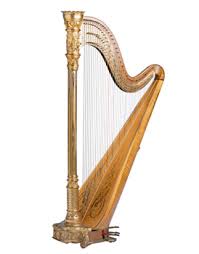
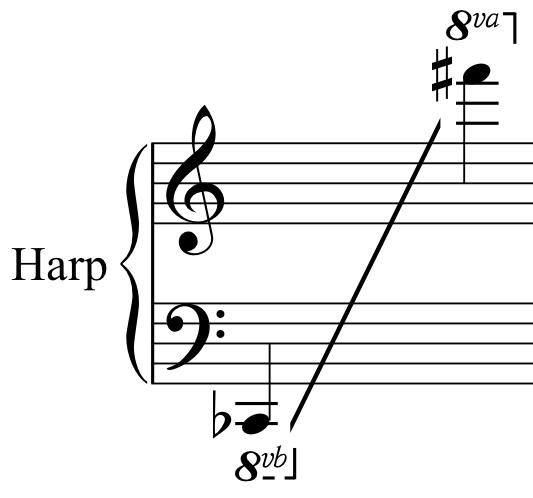
Based on the Érard double-action harp wildely used today:
Harp pedals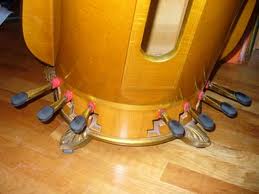 operate a mechanism by which each pedal changes the pitch of all of the strings of that pitch class: D-C-B--E-F-G-A
Harp pedals
operate a mechanism by which each pedal changes the pitch of all of the strings of that pitch class: D-C-B--E-F-G-AQuicklinks: WOODWINDS - BRASS - PERCUSSION - KEYBOARD - STRINGS
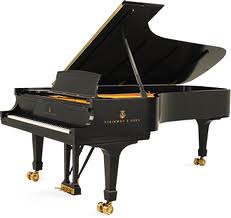
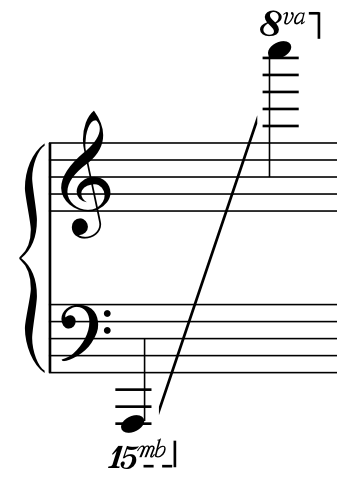
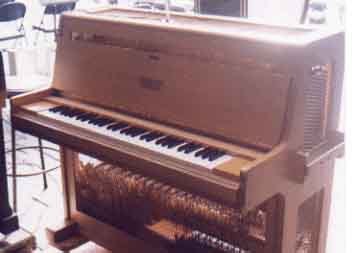
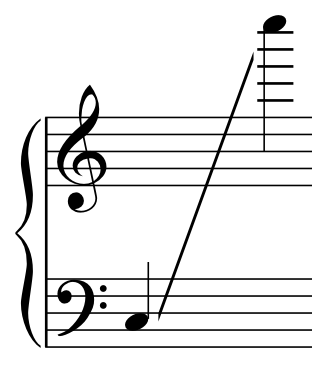
The
Keyboard Glockenspiel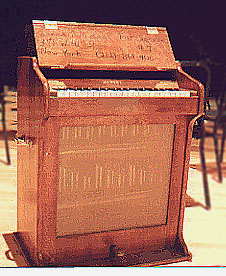 is similar in sound and appearance to the celesta but smaller.
is similar in sound and appearance to the celesta but smaller.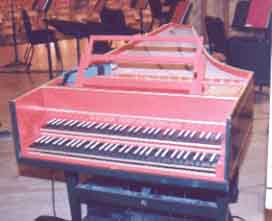
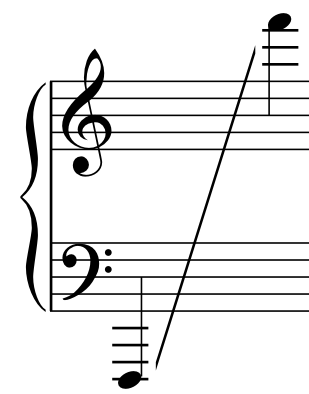
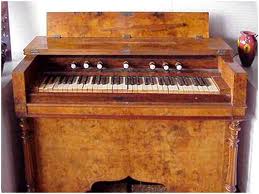
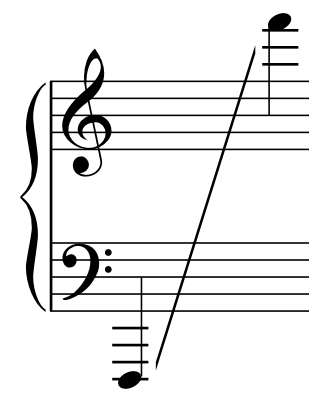
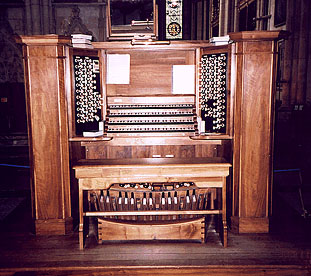
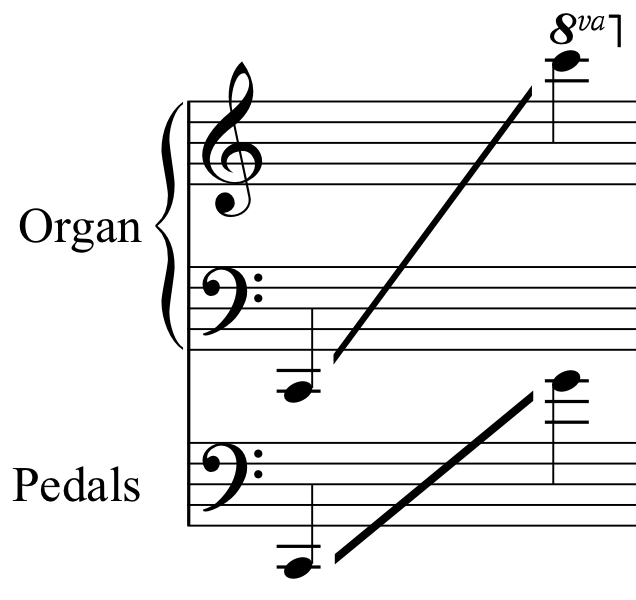
grand staff
+ pedal staff
Pedals C2-G4 (F4 on German organs)
Quicklinks: WOODWINDS - BRASS - PERCUSSION - KEYBOARD - STRINGS
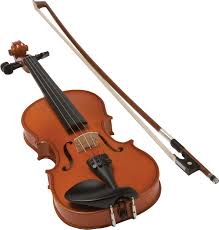
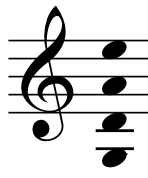
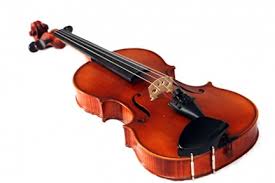
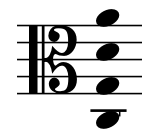
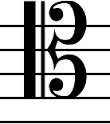
treble clef is also called violin clef
The
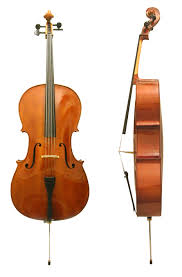
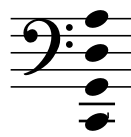
Viola da Gamba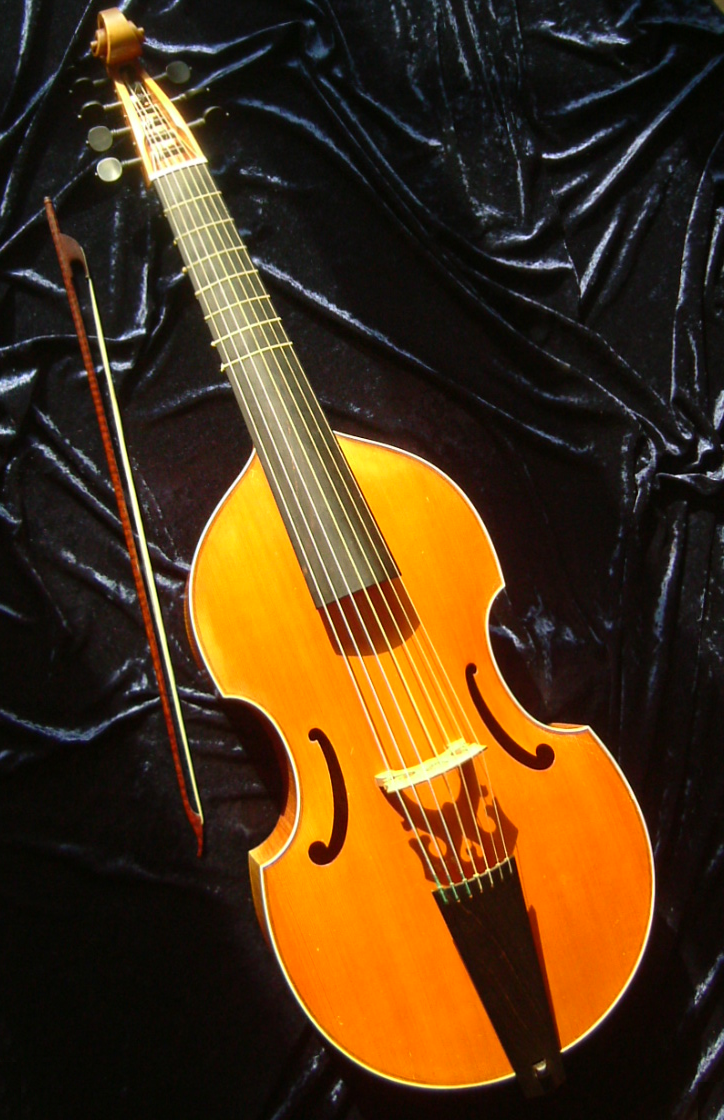 is similar in size to the cello but has 6 strings. It may be played by a cellist but usually by a gamba specialist. It is used in baroque period music.
is similar in size to the cello but has 6 strings. It may be played by a cellist but usually by a gamba specialist. It is used in baroque period music.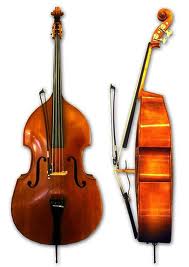
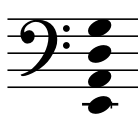
The lower range of a bass may extend down to C by using a
mechanical extension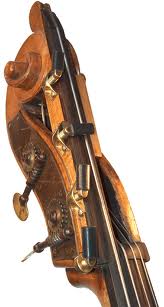 . Some basses have 5 strings to accomodate the low C.
. Some basses have 5 strings to accomodate the low C. ™ www.orchestralibrary.com